Where Home Is
For years, I thought of home as a place I had left behind.
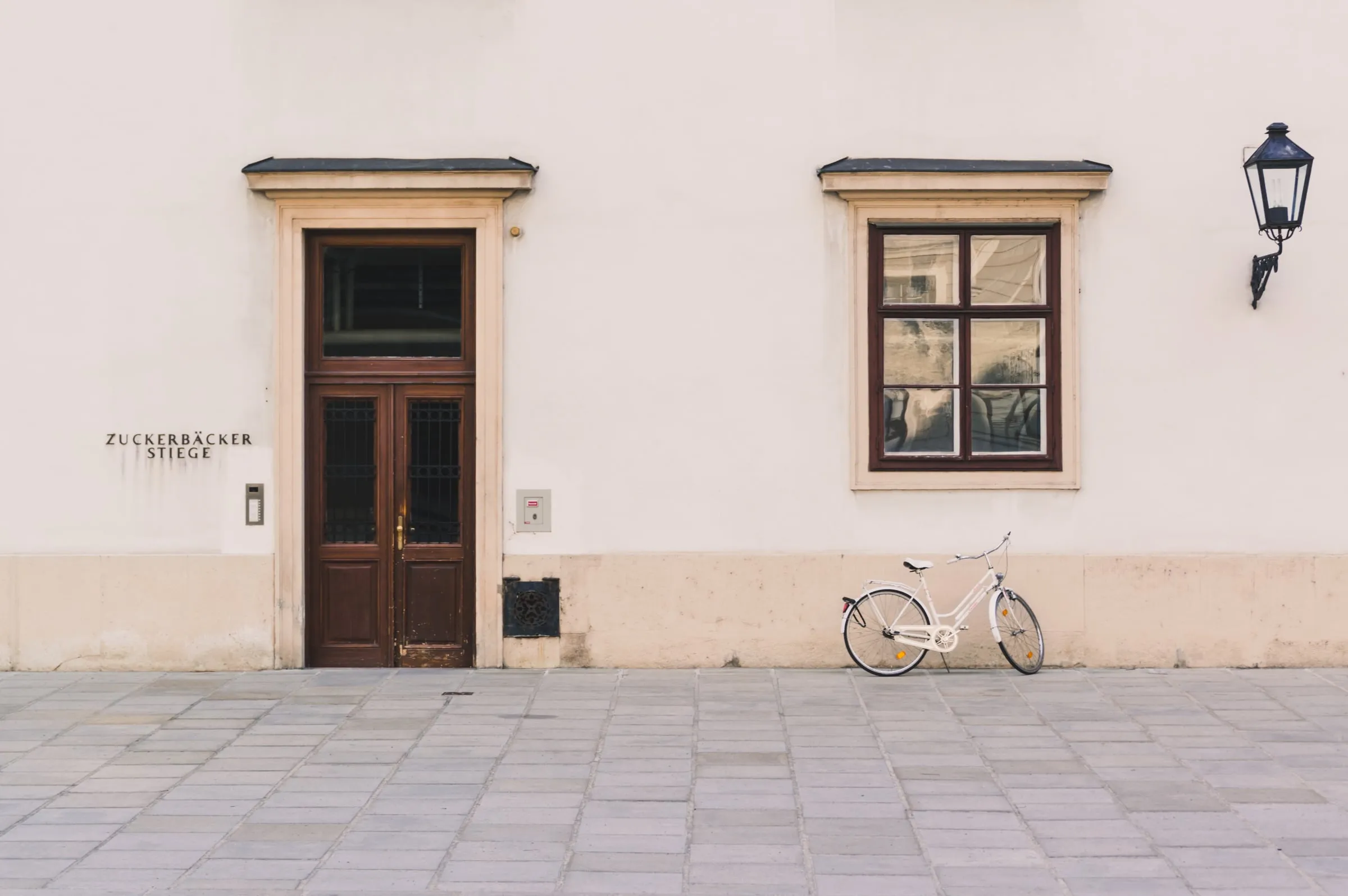
For years, I thought of home as a place I had left behind.
Ten years ago, I left my home country for a much better-paying job. For the money I was getting, the work itself hardly mattered. I work with software, so how bad could it be?
I clearly remember not having a plan at all. I was simply looking forward to earning more and providing for my parents back home. I was 30 years old.
It’s amazing how quickly we adapt to new environments. Within a few months, I had made connections, established routines, and found my favorite spots. Still, deep down, I knew it was temporary. Someday, I would leave. I kept everything ready, just in case.
The city itself seemed to reflect that feeling: a temporary stop, a place to pass through rather than settle down. After another temporary stop, I eventually moved to the country where I live today. This time, it was different. This wasn’t a temporary stop. Or at least, I intended to stay.
Over the years, the meaning of home gradually changed for me.
In the beginning, home meant the country I had come from. My family, my friends, my past. It was the place where I belonged, the place I would eventually return to.
Then, one day, something changed. Of course it did. Most of my life was happening in another country, where I had my job, my routines, and my life.
I realized that you don’t just visit your home. You live in it.
For the first time, I could appreciate the life I had built without feeling guilty about being away. I no longer longed for a place I knew I didn’t want to return to. I could simply be where I was.
Today, I live with my family in a small house in a small town, in a country where I wasn’t born.
And I call it home.